Role
Product Design Lead
Year
2020
Banque Misr had one corporate platform and different opinions about who it was for. Roles ranging from a solo CEO to a treasurer moving billions daily. Every stakeholder pictured a different user. Every design decision paid for that confusion.
Before any decision taken, I needed to end that debate with evidence.
The first move wasn't an interview. It was a corporate analysis.
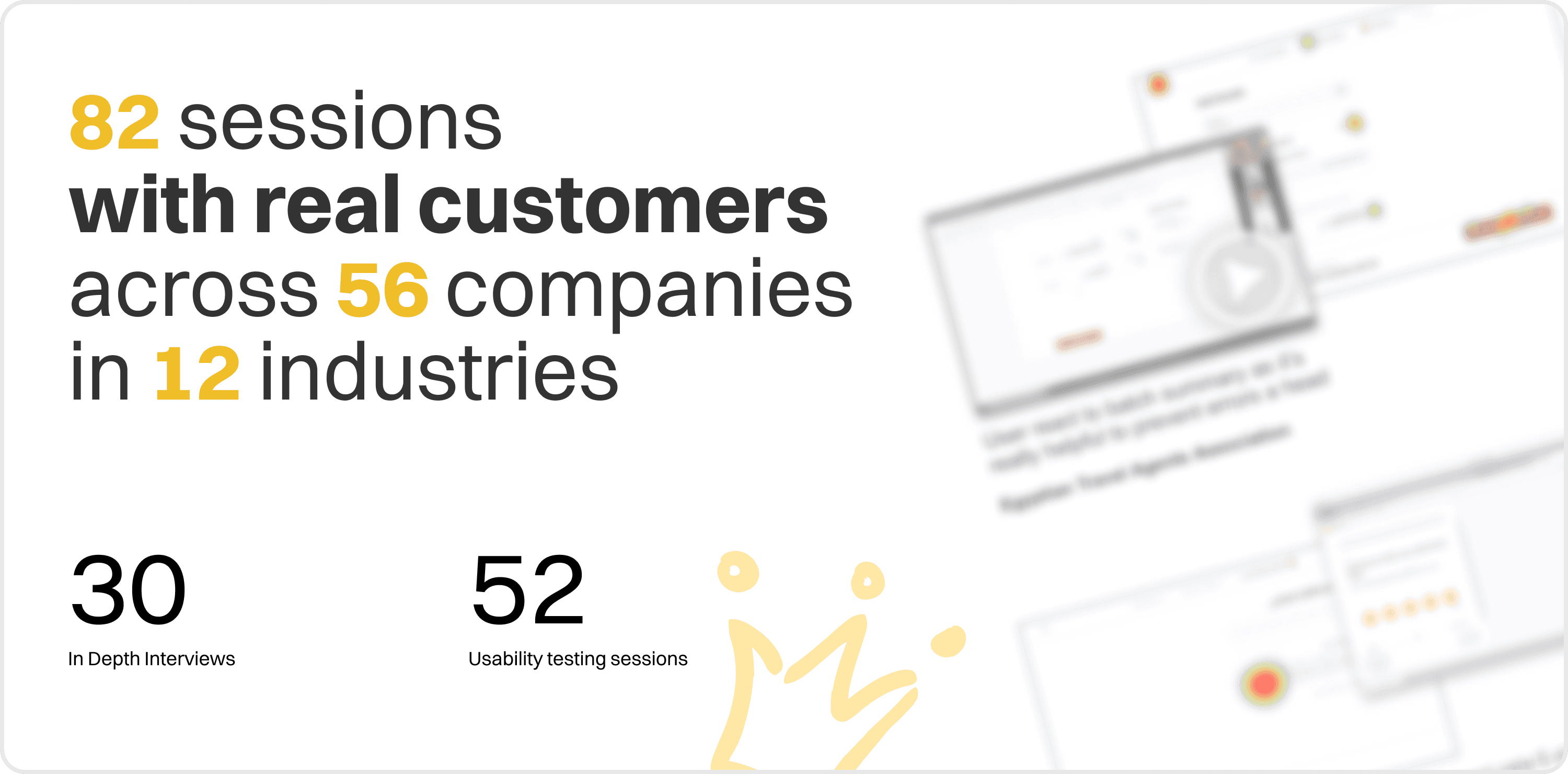
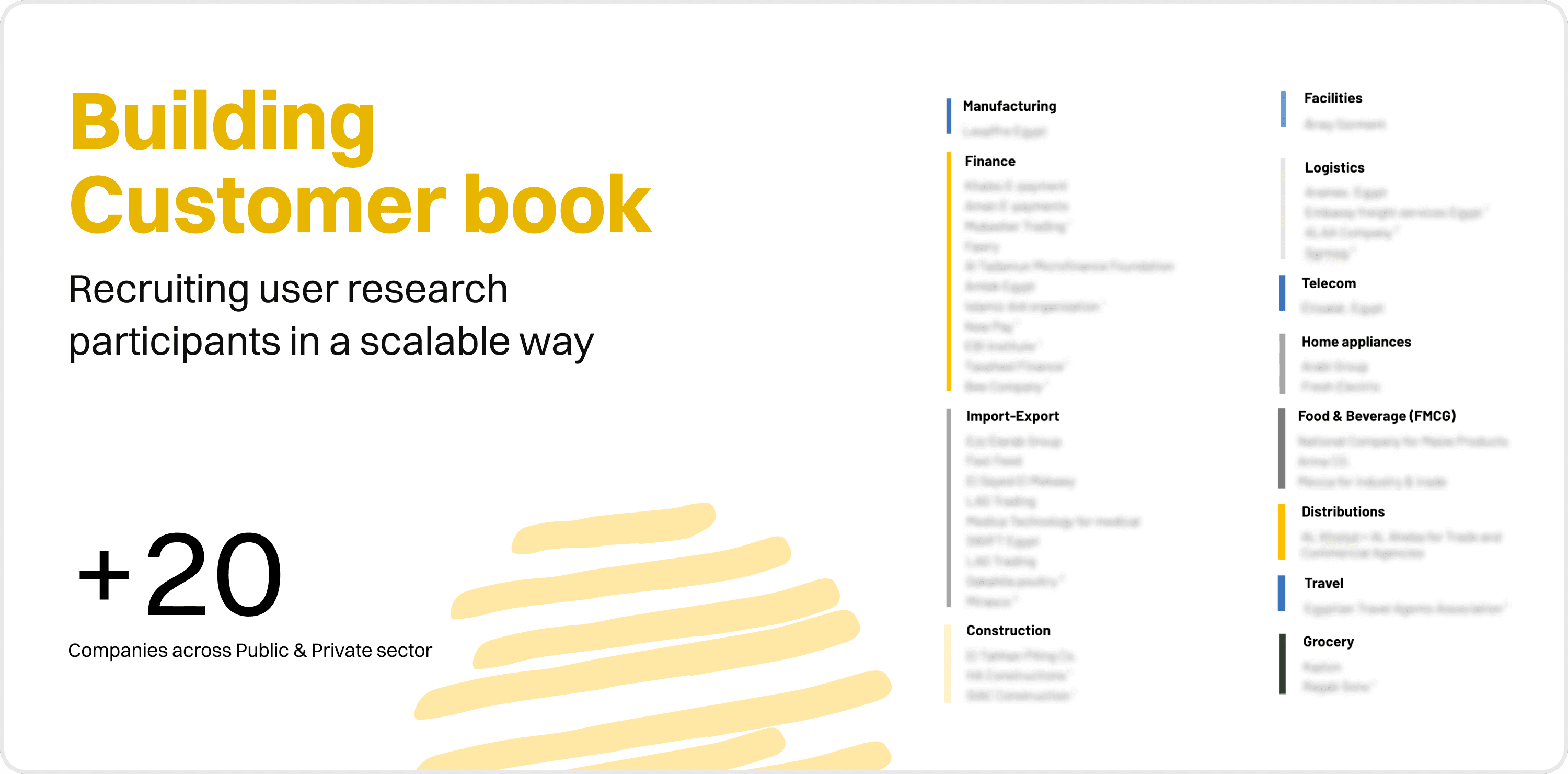
I mapped 54 companies across 12 industries and built a Customer Book: every company profiled by size, sector, transaction volume, platform dependency, and key roles. Manufacturing, logistics, fintech, construction, FMCG, telecom, import-export, all structured into one place.
For the first time, the entire team worked from a single shared picture of who the customer actually was. No competing assumptions. No stakeholder bringing a different user to the table. One book. One source of truth.
Design the Research Ops Like a Product
A Customer Book without a research engine behind it goes stale fast.
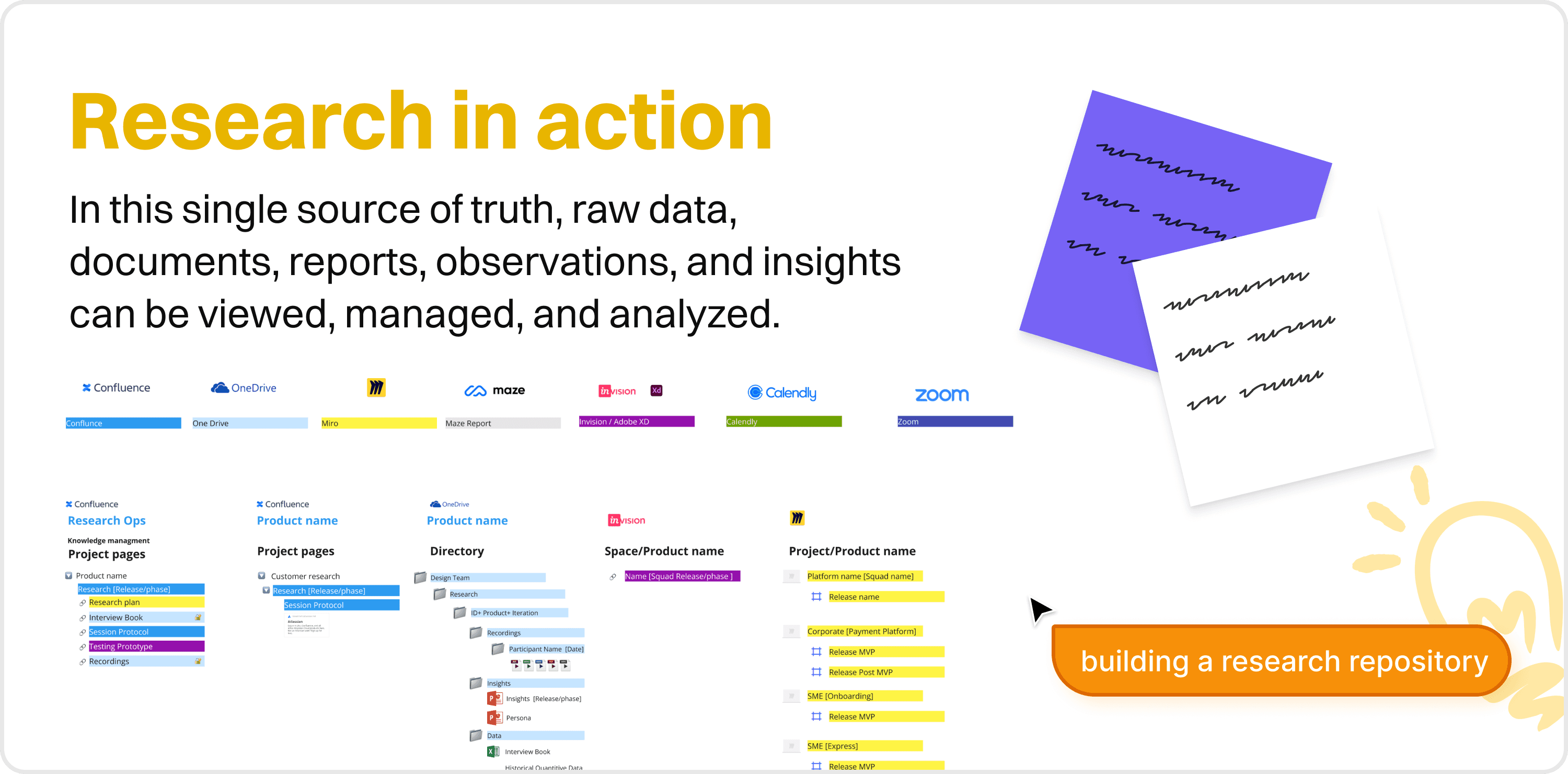
I designed the Research Ops process end to end: recruitment pipelines, RM scheduling templates, bilingual testing scripts in Arabic and English, transcription workflows, insight extraction protocols, and a structured debrief loop feeding findings back to both the product team and sponsors every sprint.
Every role in the process knew their part. Every session produced a permanent asset. Nothing depended on one person's memory or one team's interpretation of what the research meant.
Research stopped being an event. It became infrastructure.
Let Behaviour Build the Segmentation
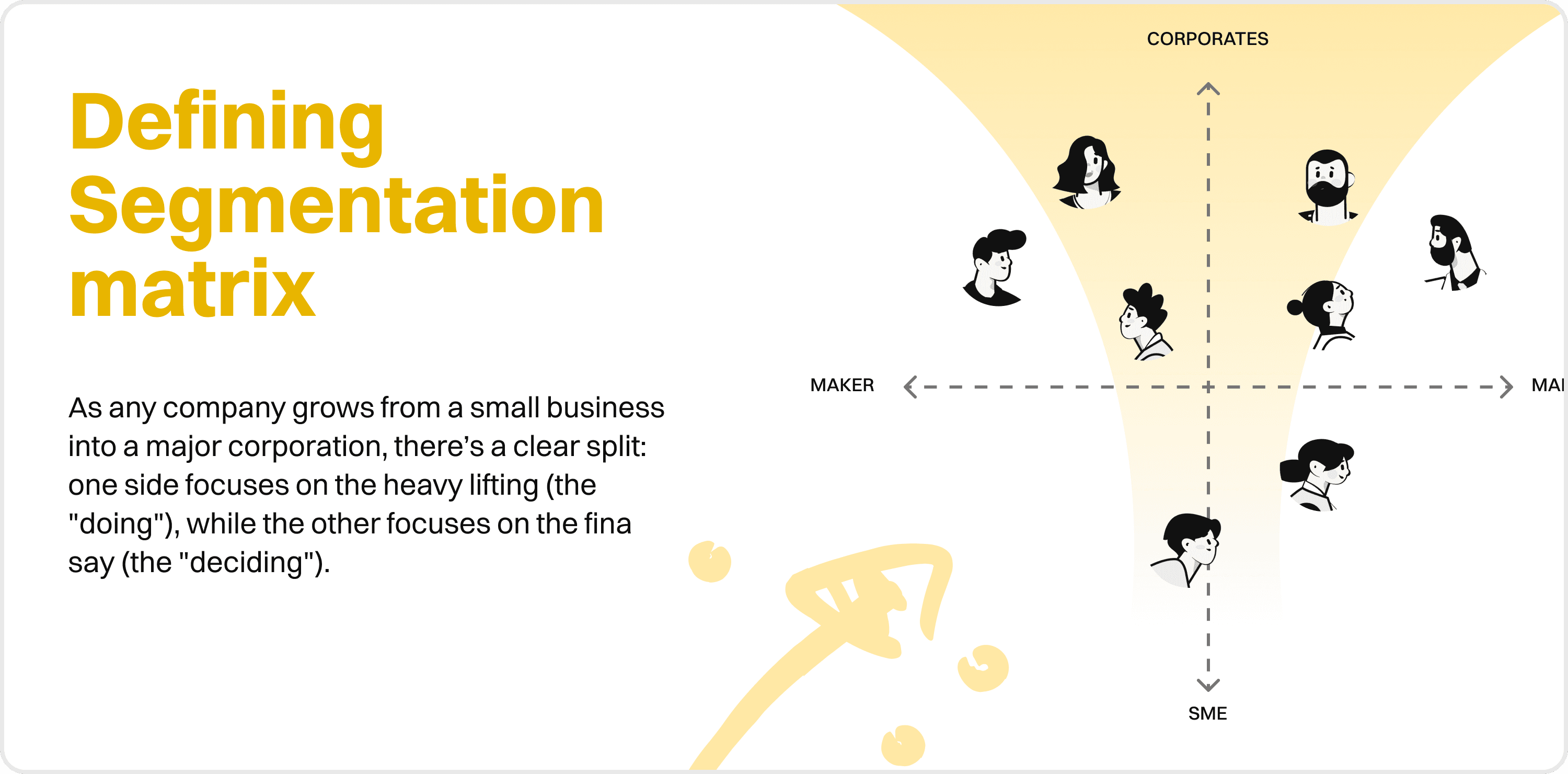
I built a Segmentation Matrix organized around one core question: how do these people actually interact with money at work?
The sessions didn't validate designs. They exposed what the product had been quietly failing at for years:
Users keeping handwritten diaries to remember how to operate the platform monthly
Balances not updating in real time while accounts were already debited
Payments failing after 3pm with no support available after 5pm
Transaction records missing basic details like beneficiary names and account numbers
None of these came from a survey. Every one surfaced during a live session when a real user hit a real wall.
Each finding tied directly to a design fix. Each fix tied directly to a business cost the product had been absorbing silently.
82 Sessions. 1 Direction
The numbers closed the debate:
100% task completion across both payment journeys
Bulk payment completed in 4.6 minutes on average
Government payment completed in 34 seconds on average
80% of users follow a Maker, Reviewer, Checker workflow, a behavioural pattern that restructured the entire permission architecture
The qualitative signal hit harder than any metric. One participant promised to triple his monthly volume if the new experience shipped as tested. Another rated the journey five stars before the session ended.
82 moderated sessions. 54 companies. 12 industries. One segmentation matrix that gave every designer, PM, and stakeholder the same answer when someone asked:
Who are we building this for?